
Leading Asphalt Sealings Solutions To Improve Surface Resilience
Browse our top-rated asphalt sealing products designed to withstand heavy traffic and harsh weather conditions.
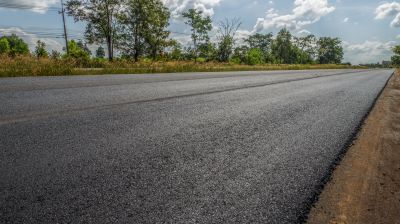 In Vancouver, WA, maintaining the integrity of asphalt surfaces is essential for both residential and commercial properties. Asphalt sealings serve as a protective barrier that can help prevent damage from water, UV rays, and everyday wear. Selecting the right products for asphalt sealing involves understanding the different types of sealants available, their application methods, and their suitability for specific needs. Proper sealing can extend the lifespan of asphalt surfaces, improve their appearance, and reduce long-term repair costs.
Top Overall Option
Premium Asphalt Sealing Compound
This versatile sealing compound offers an advanced formulation designed for durability and ease of application. It provides a protective layer that helps guard against water intrusion and UV damage, suitable for various asphalt surfaces. Its user-friendly application process makes it a popular choice among both DIY enthusiasts and professionals, ensuring a smooth finish and effective coverage. While not promising specific outcomes, this product aims to support the longevity and appearance of asphalt surfaces when applied correctly.
Types of Products For Asphalt Sealings
Asphalt Emulsions
Water-based sealants that are easy to apply and clean up, suitable for general sealing needs.
Polymer-Modified Sealants
Enhanced formulations that offer increased flexibility and longevity, ideal for high-traffic areas.
Coal Tar Sealants
Traditional sealants known for their durability, often used in commercial applications.
Driveway Seal Coats
Specialized products designed specifically for residential driveways to improve appearance and protection.
Crack Fill Sealants
Products formulated to fill and seal cracks before applying a surface sealant for comprehensive protection.
Liquid Asphalt Sealers
Thin liquid coatings that penetrate the surface and provide a protective barrier.
Rubberized Asphalt Sealants
Flexible sealants that accommodate slight movements in the pavement, reducing cracking.
Fast-Drying Sealants
Sealants formulated to dry quickly, minimizing downtime during application.
High-Build Sealers
Thicker coatings that build up a substantial protective layer, suitable for heavily used surfaces.
Eco-Blend Sealers
Sealants formulated to minimize environmental impact while providing effective protection.
Clear Sealers
Transparent coatings that preserve the natural look of asphalt while sealing it.
Colored Sealers
Sealants available in various colors to enhance aesthetic appeal or match existing surfaces.
Polyurethane Sealants
High-performance sealants offering excellent adhesion and flexibility.
Bituminous Sealers
Traditional asphalt-based products providing a robust protective layer.
Resin-Based Sealers
Sealants that incorporate resins for added strength and weather resistance.
Heavy-Duty Sealers
Designed for industrial or commercial settings with high traffic volumes.
Low-VOC Sealers
Products with reduced volatile organic compounds for safer application environments.
Popular Choices
Widely used for general sealing projects due to ease of application and affordability.
Favored for their enhanced durability and flexibility in high-traffic areas.
Commonly selected for residential driveways to improve surface protection and appearance.
Popular for preparing surfaces before applying a full sealant layer.
Chosen for their penetrating qualities and ease of use.
Preferred for their flexibility and crack-bridging capabilities.
Ideal for projects requiring quick turnaround times.
Selected for surfaces with heavy use or exposure to harsh conditions.
Popular for aesthetic enhancements and matching existing landscape features.
Chosen for their strong adhesion and weather resistance.
Often used in commercial parking lots and industrial settings.
Selected for safer application environments and compliance with regulations.
When considering asphalt sealants, it is important to evaluate factors such as the product’s durability, ease of application, drying time, and compatibility with existing pavement. Some sealants are designed for quick application and fast curing, making them ideal for projects with tight schedules. Others may offer a longer-lasting protective layer, suitable for high-traffic areas or surfaces exposed to harsh weather conditions. Proper surface preparation, including cleaning and repairs before sealing, is crucial to achieving optimal results.
Choosing the right product also depends on the specific type of asphalt surface, whether it is a driveway, parking lot, or pathway. Different formulations are available for different needs, ranging from simple asphalt emulsions to more advanced polymer-modified sealants. Consulting with local suppliers or professionals can provide insights into the most suitable options for your project, ensuring a durable and effective seal.
Overall, the right asphalt sealing products can help maintain the value and functionality of paved surfaces in Vancouver, WA. Whether for a small residential driveway or a large commercial parking lot, understanding the options available ensures that property owners can make informed decisions tailored to their specific requirements and budget constraints.
Key Buying Considerations
- Compatibility with existing asphalt surface to ensure proper adhesion.
- Type of sealant suitable for the specific application, such as driveway or commercial lot.
- Durability and longevity expectations based on product formulation.
- Ease of application, including tools required and drying time.
- Weather conditions during application to prevent issues like pooling or improper curing.
- Surface preparation requirements, such as cleaning and crack repairs prior to sealing.
- Coverage area per unit to estimate total quantity needed for the project.
- Environmental factors, including resistance to water, UV rays, and temperature fluctuations.
- Compatibility with other maintenance products or sealants previously applied.
- Regulatory compliance and safety data, especially for large-scale or commercial projects.
- Cost considerations relative to the expected lifespan and protection offered.
- Availability of technical support or guidance from suppliers.
- Application method preferences, such as spray, brush, or squeegee.
- Aesthetic preferences, including color options or transparency.
- Impact of traffic volume and load on the choice of sealant.